
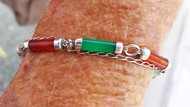
Beyond Green: A Guide to the Different Types of Jade & Their Unique Magic
Posted by Cathryn Blair on 26th Nov 2025
A Guide to the Different Types of Jade
At Lesca Crystals, we invite you to explore the world of jade—ancient, powerful, and full of subtle colours and meanings.
Did you know that "Jade" is not a single crystal? It’s a name that encompasses two distinct minerals, each with its own unique energy, history, and stunning palette of colours. Understanding the difference is the first step to finding the perfect Jade for your collection and spiritual practice.
Let's explore the two main types of true Jade and learn how to ensure the stone you're calling a friend is genuinely what it seems.
The Two Types of Jade: Nephrite vs. Jadeite
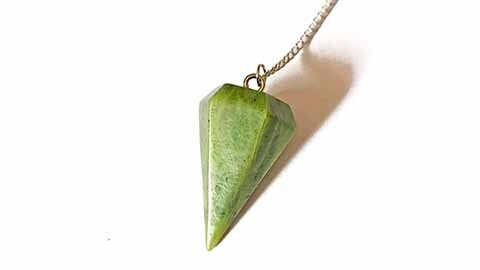
While they share a name and similar toughness, Nephrite and Jadeite have different chemical compositions and energetic signatures.
1. Nephrite: The Ancient Guardian
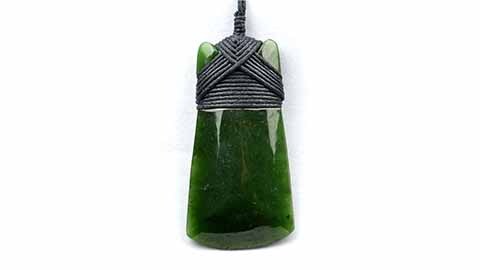
- The History: Nephrite is the classic Jade of ancient history. It was used for millennia by cultures worldwide—from the Maori of New Zealand (where it's known as Pounamu) to the warriors of China—to create powerful tools, sacred ornaments, and protective talismans.
- Composition: Nephrite or Nephrite Jade refers to calcium magnesium silicate.
- Origins: Nephrite occurs in creamy to mid-green tones, sometimes grey-green, or even dark olive. Origins include China, Russia (Siberia), New Zealand (Pounamu).
- Price Guide: Often more abundant and affordable than Jadeite.
- The Energy: Nephrite is often called the "Stone of Fidelity." Its energy is nurturing, grounding, and deeply protective. It’s a stone of the heart, promoting self-love, emotional stability, and a sense of calm, enduring strength. Think of it as a wise, gentle guardian.
- The Look: Nephrite’s colour range is typically in muted, earthy tones. You'll most commonly find it in various shades of spinach green, creamy white, olive green, and a beautiful dark green nearing black. Its texture is often more fibrous and can appear slightly waxy or oily.
2. Jadeite: The Vibrant Visionary
- The History: Jadeite is the rarer and more valuable of the two, famously prized for the brilliant "Imperial Jade" green found in the finest Chinese jewelry. It arrived on the scene in China later than Nephrite but quickly became the most sought-after variety for its vibrant colours.
- Composition: Jadeite refers to sodium aluminum silicate.
- Origins: Jadeite is the ‘luxury’ jade: intense emerald-green, apple-green, lavender, pink, even black. Origins include Myanmar, Guatemala, and Japan.
- Price Guide: Because of its rarity and colour intensity, Jadeite commands higher prices.
- The Energy: Jadeite is a stone of abundance and manifestation. Its energy is more vibrant and stimulating than Nephrite's. It aligns with the heart but also activates the mind, supporting dream work, creativity, and attracting both prosperity and love. It’s a stone of joyful attraction.
- The Look: Jadeite boasts a much wider and more vivid colour spectrum. While its most famous colour is the intense, semi-transparent Imperial Green, it also comes in stunning shades of lavender, blue, red, orange, yellow, and white. Its structure is more granular, giving the finest qualities a brilliant, glassy lustr.e
Other non-jade stones include:
- Serpentine Jade: Also known as New Jade, Serpentine is a green stone with a waxy lustre, often mistaken for jade due to its similar greenish shades.
- Aventurine: A quartz variety that has a shiny green appearance and is part of the quartz family. Aventurine has inclusions of Mica that give it a shimmering effect - known as aventurescence.
- Chrysoprase: Often called Australian Jade, chrysoprase is a bright green stone with a glassy texture, often confused with jade.
- Green Calcite: A green stone that can look clear, though it is much softer than jade.
These stones share similar colours and textures with jade but have distinct characteristics that can help distinguish them.
Here are the key differences between jadeite and nephrite jade
|
Jade Properties |
Nephrite |
Jadeite |
| Colour / Variety |
Very wide colour range: greens, lavender, blue, red, yellow, white, black. | More limited colour palette: usually greens, but can appear in browns, whites, greys or black. |
| Transparency / Translucency | More often translucent (lets some light through). | Frequently more opaque (less light passes through) |
| Lustre / Surface Shine |
Subvitreous (a less intense glassy shine), sometimes pearly on broken surfaces. | Can appear vitreous (glass-like) or have a greasy/soapy sheen. |
| Locations / Occurrence: |
Not as widespread; notable sources: Myanmar (Burma), Guatemala, Japan. | More broadly distributed globally: China, Australia, New Zealand, Canada, Russia, US. |
|
Value / |
Generally more expensive—especially for high quality (good color, clarity, size) pieces. | Usually less expensive overall; but exceptional nephrite can fetch higher prices too. |
| Hardness (Mohs scale) | ~ 6.5 to 7.0 | ~ 6.0 to 6.5 |
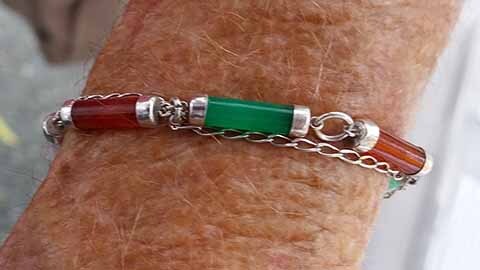
How to Tell If Your Jade Is Real: A Crystal Lover's Guide
With Jade's popularity comes many imitations. Here’s how to connect with your stone and discern its authenticity, inspired by traditional gemological tips.
1. The Warm-Up Test: Feel the Coolness
Genuine Jade is famously dense and cold to the touch. Hold your stone. Does it feel cool initially and take a while to warm up in your hand? If it cools down quickly after being set aside, this is a good sign. Glass or plastic imitations will feel room temperature almost immediately.
2. The Visual Test - Look for Nature's Imperfections
Real Jade is a natural stone, and nature is rarely uniform. Look closely. Can you see subtle variations in color, tiny mineral inclusions, or a fibrous or granular texture? A perfectly uniform color with bubbles inside is a tell-tale sign of dyed glass.
3. Sound Test - Listen for a Melodic Ring
This is a classic test for bangles or beads. Gently tap two pieces of real Jade together (or a Jade bead against a metal surface). You should hear a clear, resonant, melodic "clink." Imitations made of glass or plastic will produce a dull, low-pitched "clunk."
4. The Scratch Test - this ican be a destructive test, use with caution!
Jade is an incredibly tough stone. A real piece of Jade cannot be scratched with a metal knife or needle. If you see a scratch or mark left behind, it’s likely a softer imitation like serpentine. We recommend this only as a last resort on an unobtrusive spot of a tumbled stone, not on a polished piece of jewellery.
Treatment
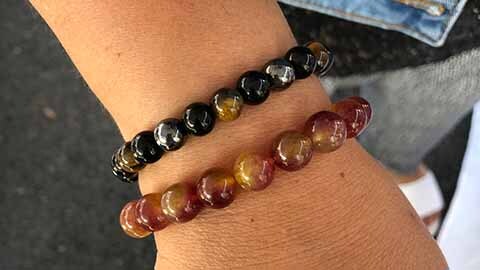
Adding another layer of complexity to test for genuine jade, both jadeite and nephrite are commonly treated with chemicals to improve their appearance. This has created four categories of jade treatments:
- Type A – Untreated natural jade that may have a wax coat but no other treatments.
- Type B – Jade that has received a bleach and polymer treatment to improve the appearance.
- Type C – Jade that has been dyed in some way.
- Type B + C – Jade that has been treated with bleach and polymer and then dye treatment.
Price implications: Type A is far more valuable than type B, which is far more valuable than type C. Type B + C tends to be the least valuable. It can be difficult to identify jade treatments, e.g. dyed jade can often be identified with UV light.
Choosing Your Jade: A Quick Colour Guide
Jade colours are as varied as the places they are found, reflecting the rich tapestry of our Earth’s geology. This stone is not just a single hue but a whole spectrum that tells different stories from around the world.
|
Jade Colours |
Meaning |
Common Products |
Interesting Facts |
|
White Jade |
Purity, Intellect, Peace |
Bracelets, pendants, beads. |
Most iconic; revered since ancient dynasties. |
|
Spinach Green Jade |
Wealth, Nobility |
Bangles, carvings. |
Deep colour, luxurious & bold. |
|
Powder Green Jade |
Youth, Clarity, Hope |
Earrings, beads. |
Modern & trending. |
|
Apple Green Jade |
Freshness, Renewal |
Pendants, trinkets. |
Often has dark specks, rare when clean. |
|
Yellow / Mutton Fat Jade |
Wisdom, Joy, Sunlight |
Talismans, spiritual pendants. |
Primary sources are Guatemala & East Asia. Most are mountain jade, earthy & rare. |
|
Duck Egg Blue Jade |
Calmness, Elegance |
Small pendants, charms. |
Subtle and popular with women. |
|
Purple / Lavender Jade or Turkiyenite |
Spiritual awakening, emotional healing, and joyful living. |
Often used in jewellery and meditation practices. |
A rare variety, primary source is Turkiye. |
|
Orange Jade |
Stimulating creativity and intellect, balance emotions, joy |
Used in meditation and for amulets. |
Primary source is Mexico and Central America. |
|
Red Jade |
Symbolises passion, energy, and courage |
Used for carvings, amulets and jewellery. |
Rare, primarily found in areas known for diverse mineral deposits, including the United States, Turkiye, and China. |
|
Red-Skin White Jade |
Energy, Power, Uniqueness |
Collector’s pieces, carvings. |
The red skin boosts value significantly. |
|
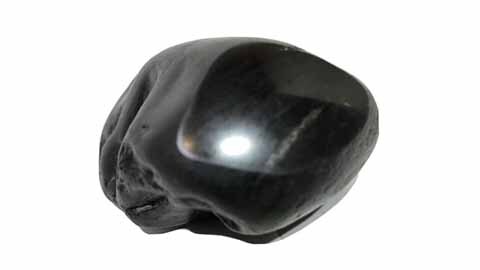
Black Jade |
Potent psychic protection stone, Mystery. |
Prayer beads, bracelets and charms. |
Less common but deeply spiritual. |
Choosing Jade by Intention
- For Grounding and Protection: seek out Nephrite in its deep greens or black.
- For Heart Healing and Nurturing: a creamy Nephrite or a soft shade of Jadeite is perfect.
- For Abundance and Manifestation: vibrant Jadeite in green or lavender is ideal.
- For Dream Work and Intuition: Lavender Jadeite is your mystical ally.
- For Etheric Bodyguard: seek out Black Jade.
Whether you are drawn to the ancient, protective energy of Nephrite or the vibrant, abundant frequency of Jadeite, you are inviting a powerful and beautiful ally into your life. Explore our curated collection of authentic Jade pieces and feel the difference for yourself.
x ~ Cathryn ~ x