
How to Tell Real Obsidian from Fake
Posted by Cathryn Blair on 24th Mar 2026
A Complete Guide on Real vs Fake
Obsidian, the dark, glassy stone of volcanic fire, has captivated humanity for millennia. Used by ancient civilisations for tools, weapons, and mirrors, it remains a favourite in the crystal world for its powerful protective properties and sleek, reflective beauty. However, because genuine obsidian is a natural volcanic glass, it is often imitated by man-made manufactured glass.
At Lesca Crystals, we believe in authenticity. In this guide, you’ll learn how to test obsidian at home, spot imitations, and choose genuine volcanic glass with confidence.
What is Real Obsidian?
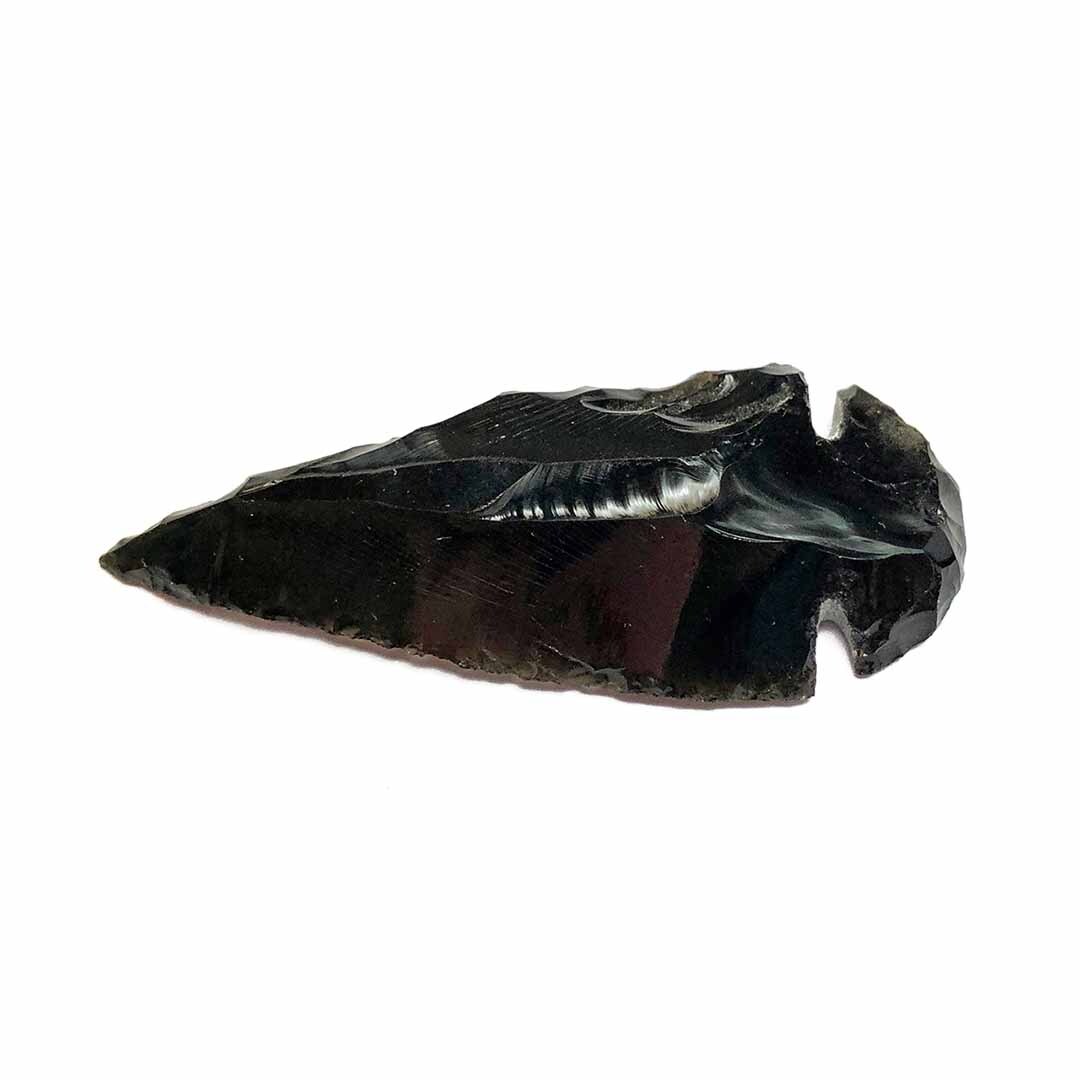
Obsidian is not a true mineral; it is a natural volcanic glass formed when felsic lava (igneous rocks rich in elements that form feldspar and quartz) cools rapidly with minimal crystal growth. This rapid cooling results in its signature smooth, glassy texture and conchoidal fracture - the way it breaks with smooth, curved surfaces (see image below). It's amorphous, meaning it has no crystalline structure.
True obsidian is usually dark, but its specific appearance and colour depend on impurities and inclusions present during its formation.
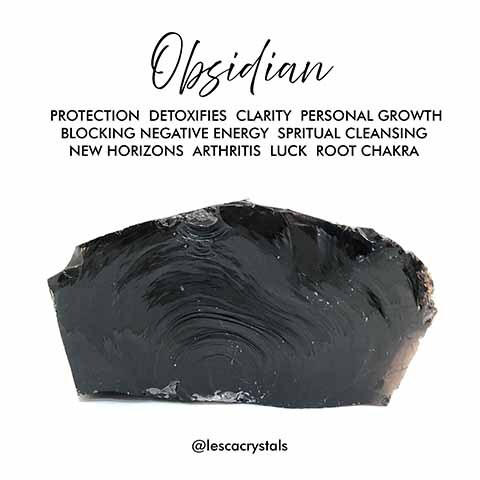
Obsidian comes in a variety of colours and types:
- Black Obsidian: The most common and well-known type. It appears deep black but is often translucent when held up to a strong light. The typical dark colour of obsidian, usually jet-black or dark brown, is due to trace amounts of impurities, commonly microscopic inclusions of iron oxides such as magnetite or hematite. Black Obsidian is most common and prized for its grounding and protective properties.
- Rainbow Obsidian: A rarer and highly prized variety. It reflects a spectrum of colours—purples, greens, blues, and golds—when polished and turned in the light. These colours are caused by inclusions of magnetite nanoparticles.
- Mahogany Obsidian: A beautiful mix of deep black and reddish-brown (like mahogany wood). The colours are swirled or banded together. The red-brown colour comes from iron oxide or hematite inclusions.
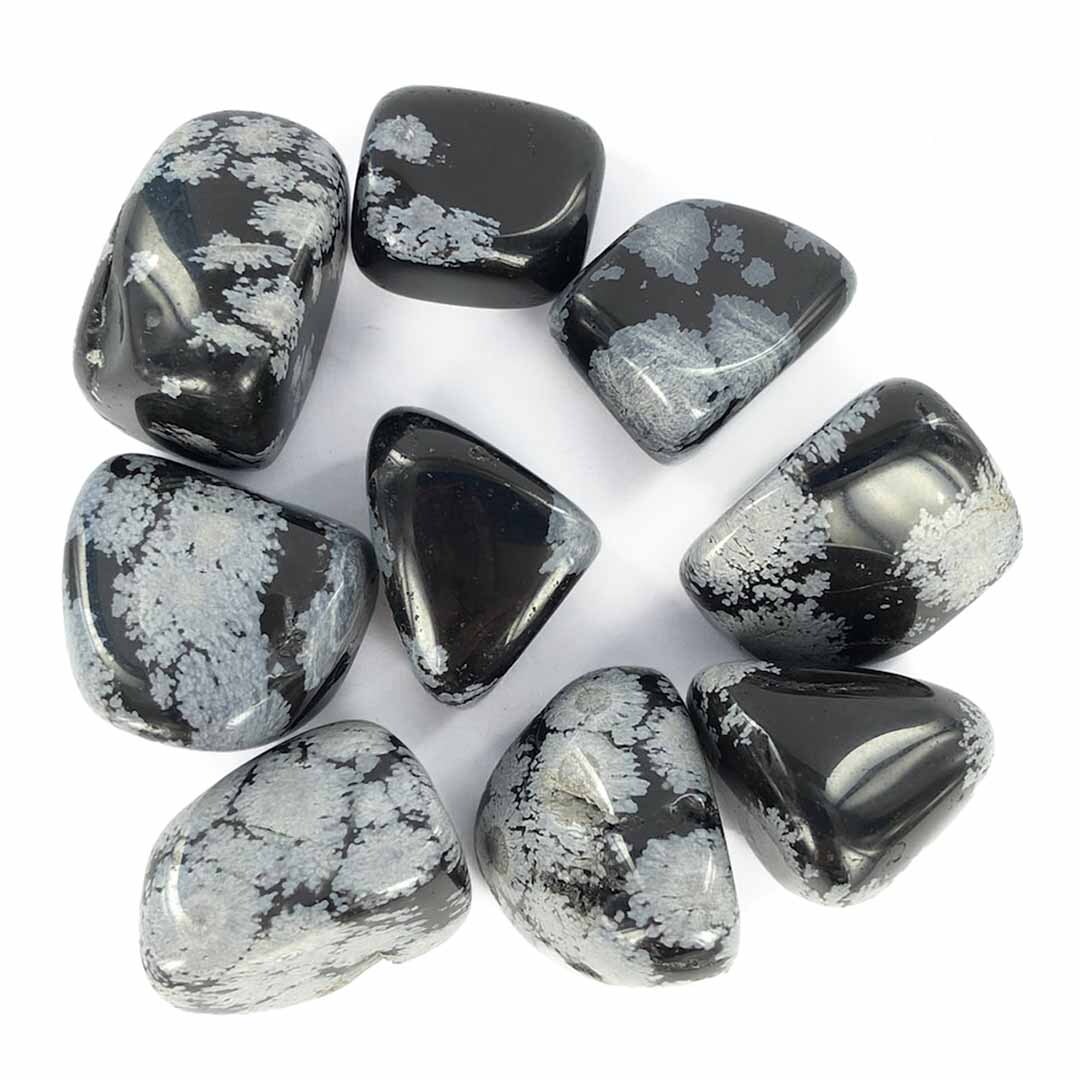
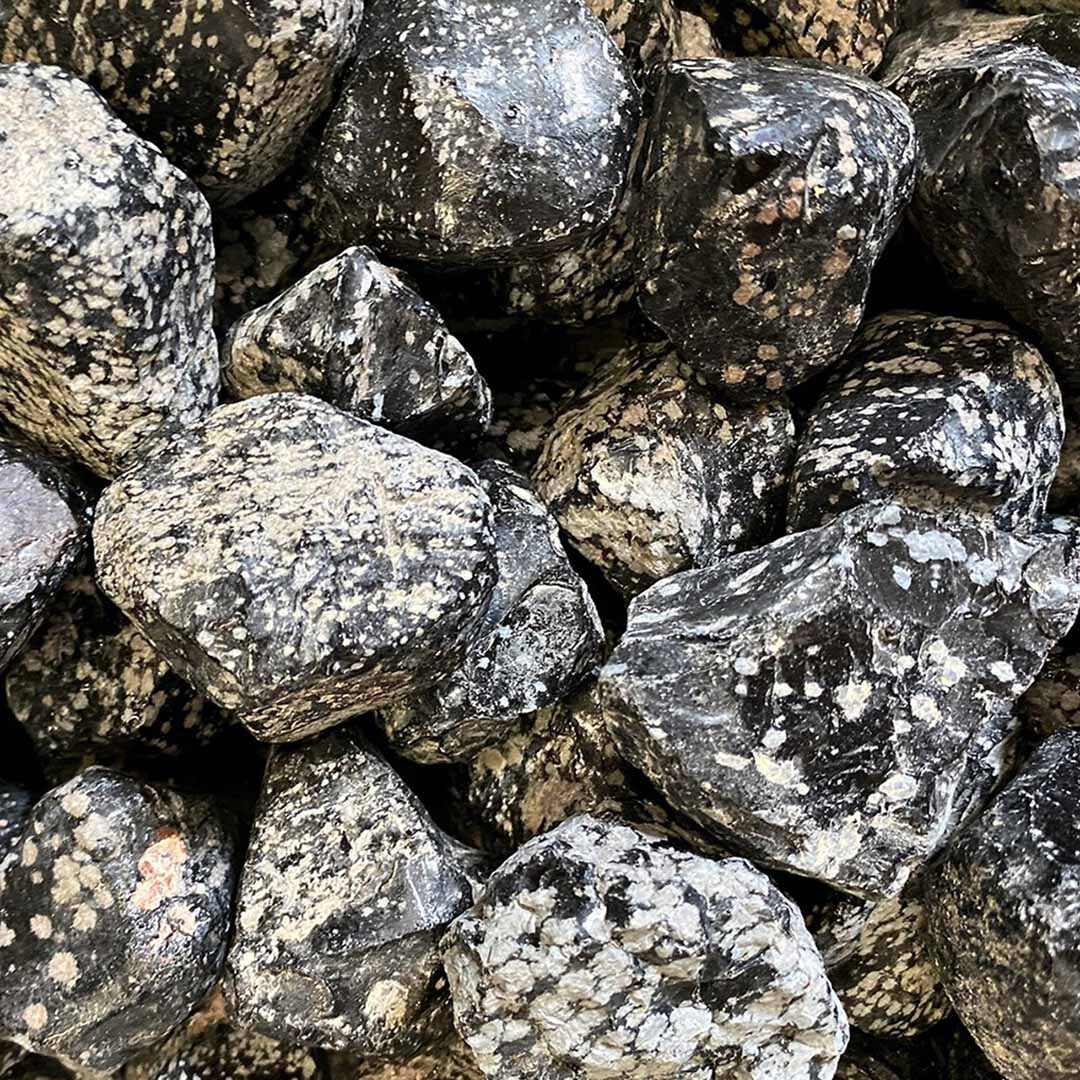
- Snowflake Obsidian: One of the most recognisable varieties. It is primarily black but has grey or white "spherulites"—crystallisations of the mineral cristobalite—that create a distinctive snowflake-like pattern.
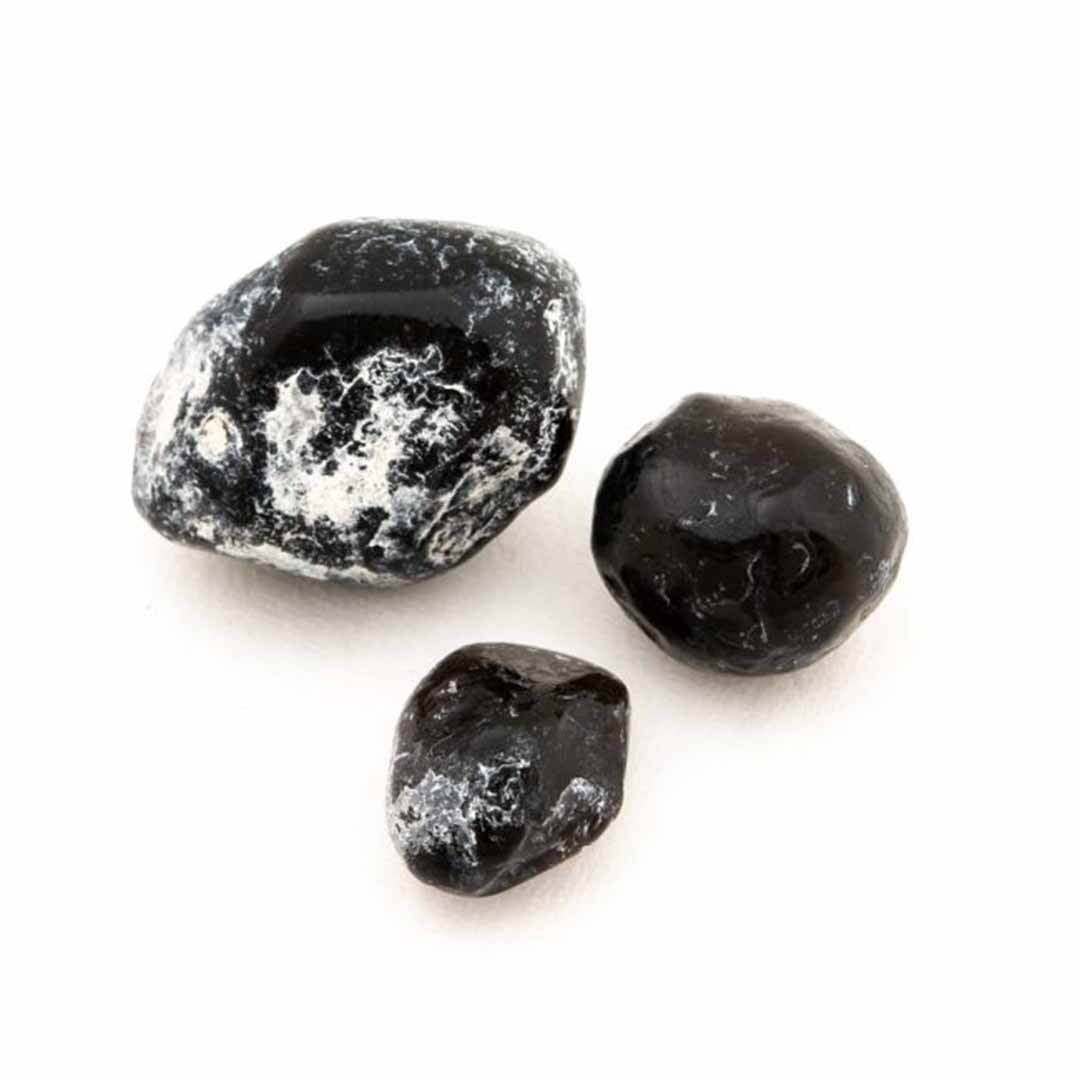
- Apache Tears: Small, rounded, translucent nodules of black obsidian. They are typically found in clusters and are known for their gentle, comforting energy.
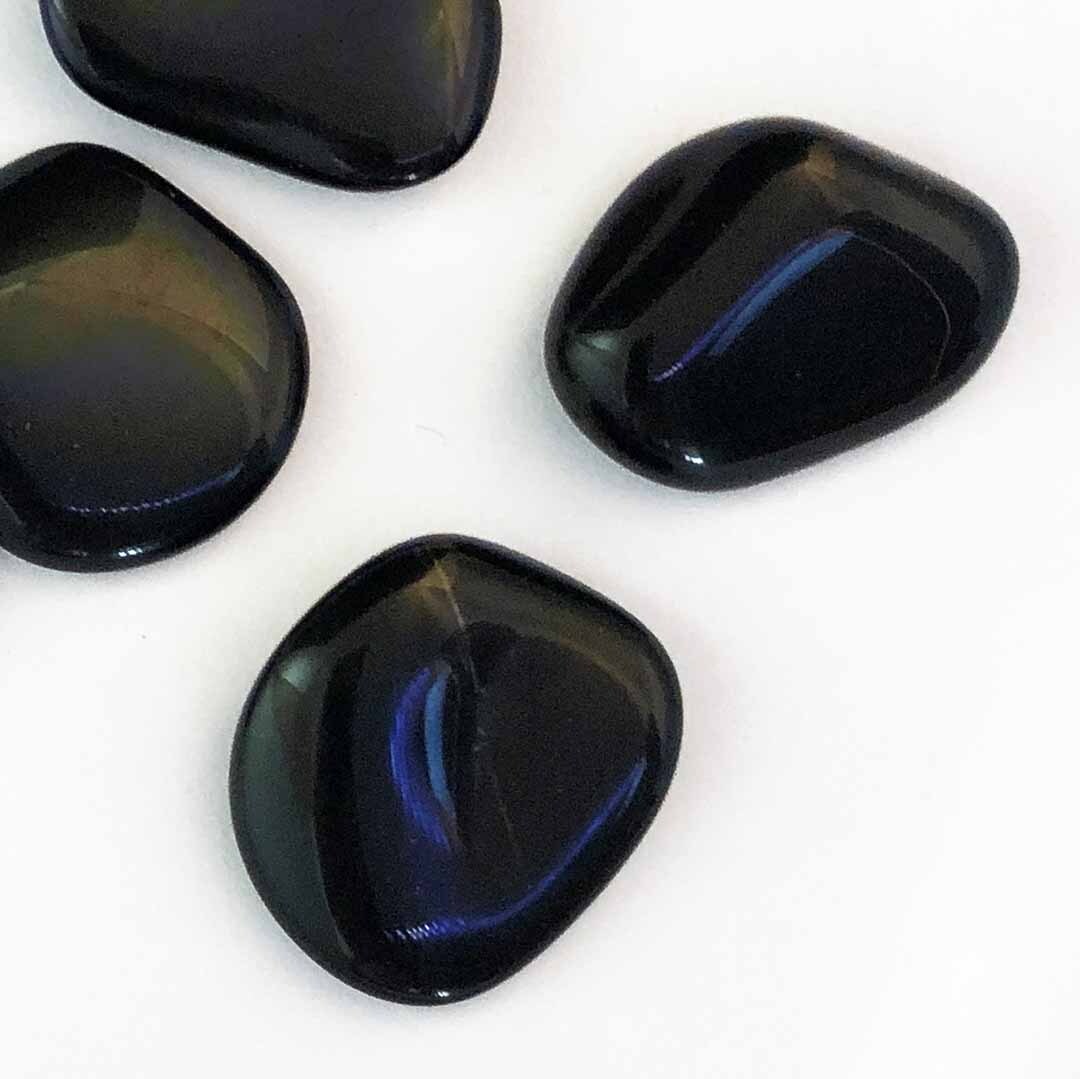
- Sheen Obsidian (Gold/Silver): A reflective, mirror-like surface sheen that appears when light hitstiny inclusions of gas bubbles or mineral platelets that didn't fully crystallise. This can create a brilliant or very subtle gold or silver flash.
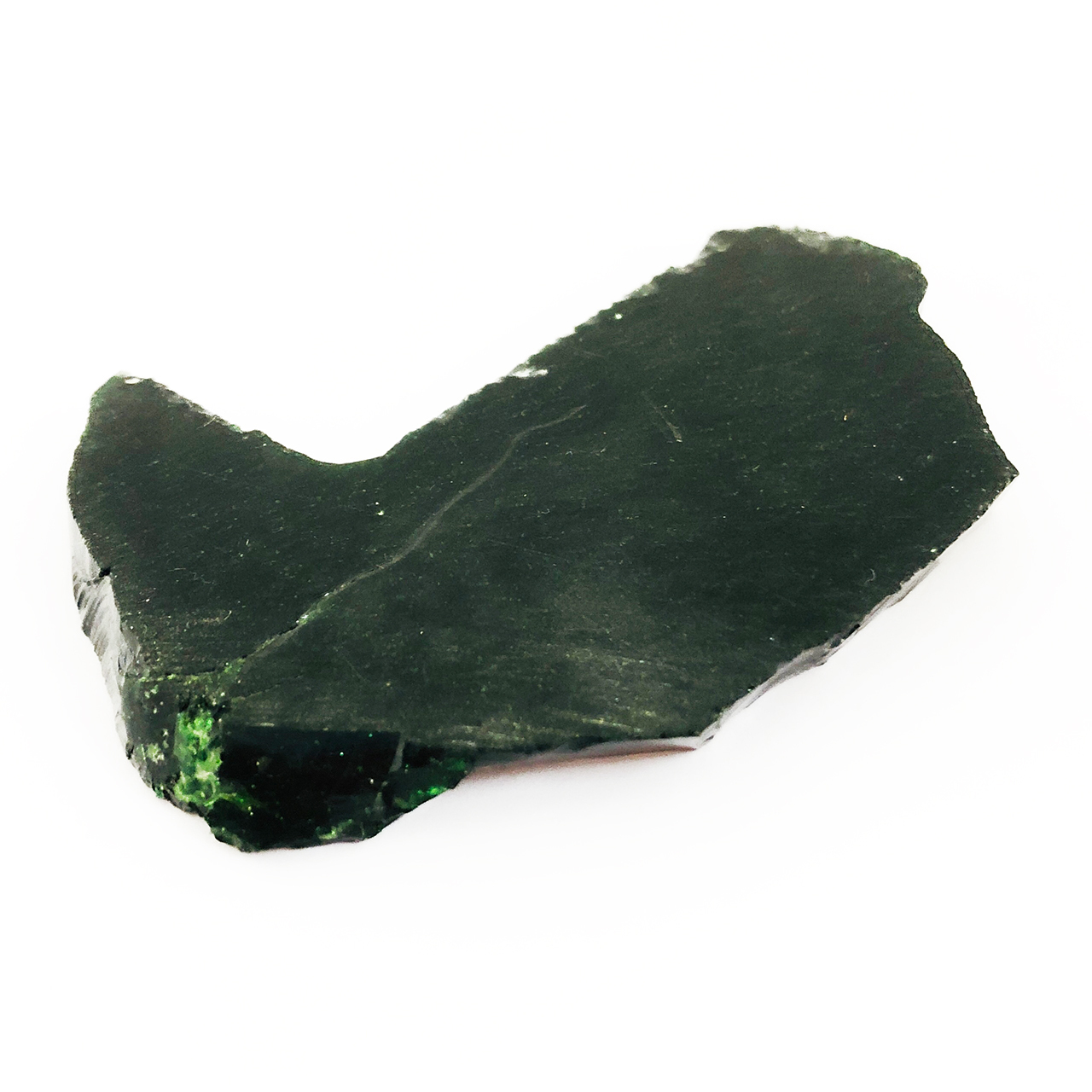
- Coloured Obsidian: Naturally occurring green volcanic glass is real and rare, however the vast majority of bright green material found for sale is manufactured. Same goes for other brightly coloured or transparent Obsidian.
Fake Obsidian
Many so-called "obsidian" pieces on the market are not volcanic glass at all. They are simply imitations made from manufactured glass, often created to replicate the look of rarer, more expensive varieties.
Common obsidian imitations include:
- Man-Made Glass: This is the most common fake. It is industrially produced glass that has been coloured and shaped to look like obsidian. It lacks the natural internal structure, specific gravity, and energetic properties of the real thing.
- Slag Glass: A by-product of metal smelting, slag glass can be dark and glossy, sometimes with colourful swirls. It is often sold as a "natural" stone, particularly colourful "obsidian," but it is a man-made material.
Real Obsidian vs Man-Made Glass - the Key Differences
Here’s a table highlighting the key differences between natural obsidian and manufactured glass:
| Feature | Real Obsidian | Man-Made Glass |
| Origin | + Formed naturally by volcanic activity. | - Industrially produced in a factory. |
| Composition | + Natural volcanic glass with trace minerals and inclusions. | - Manufactured from silica, soda, and lime. |
| Hardness | + Approximately 5-5.5 on the Mohs scale. Slightly harder. | - Usually around 5-5.5 on the Mohs scale. Can be softer. |
| Inclusions | + May contain natural imperfections like tiny gas bubbles, crystalline inclusions (like 'snowflakes'), or subtle colour banding. | - Often too perfect, or has uniform, machine-made bubbles. May have artificial colouring. |
| Feel & Weight | + Feels warm to the touch compared to glass and has a specific gravity of ~2.4. | - Can feel colder and may have a different density. |
| Value / Price Guide |
+ More valuable due to its natural origin, age, and metaphysical properties. | - Inexpensive, as it is mass-produced. |
How to Spot Real Obsidian - 6 Easy Tests
1. The Light Test (Translucency)
- Real obsidian: While it looks opaque, true black obsidian is not completely opaque. Hold it up to a strong light source (like a flashlight or a bright window). You should see a slight translucency along the thinnest edges, often with a brownish or dark green glow. Apache Tears are famously translucent.
- Fake obsidian: Solid black man-made glass may be completely opaque and block all light, even on thin edges. If it's coloured glass, it might glow an unnatural, uniform colour.
2. The Temperature Test
- Real obsidian: As a natural stone, obsidian feels warm to the touch when you hold it. It doesn't retain cold like manufactured glass does.
- Fake obsidian: Man-made glass is a poor conductor of heat and will feel noticeably cold and inorganic when you first pick it up.
3. The Visual & Touch Inspection
- Real obsidian has:
- A perfectly smooth, glassy texture but may have a slightly conchoidal (shell-like) fracture pattern on unpolished edges.
- Natural imperfections, such as slight variations in colour, tiny feather-like inclusions, or the distinct patterns of snowflake, mahogany, or rainbow obsidian.
- Fake obsidian often looks:
- Too perfect with uniform colour and no natural inclusions.
- If it's meant to look like snowflake obsidian, the "snowflakes" may appear painted on or too uniform in size and shape.
- Overly shiny in a cheap, plastic-like way, or may have the perfect, machine-moulded look of costume jewellery.
4. The Specific Gravity / Weight Test
- Real obsidian: has a specific gravity of around 2.4, which gives it a certain "weight" in the hand. It's not as heavy as a metallic ore, but it's not feather-light either.
- Fake obsidian: While hard to distinguish by weight alone, man-made glass can have a slightly different density. This test is more about practice—handling enough real obsidian will train your intuition for what it should feel like.
5. The Hardness / Scratch Test
Proceed with caution this is a destructive test and can damage the stone!
- Real obsidian: Ranks 5-5.5 on the Mohs hardness scale. It should not be easily scratched by a copper coin (hardness 3) or a steel knife (hardness ~5.5). It may be scratched by quartz (hardness 7).
- Fake obsidian: Man-made glass has a similar hardness, so this test isn't definitive on its own. However, a genuine piece of obsidian should feel hard and solid, not easily abraded.
6. The Bubble Test (Use a Magnifying Glass)
- Real obsidian: As a natural volcanic glass, any bubbles within it are usually microscopic, irregular, or elongated from when the lava flowed. Crystalline inclusions are far more common than bubbles.
- Fake obsidian: Manufactured glass often contains perfectly round, spherical bubbles that are a tell-tale sign of industrial production. Look closely with a magnifying loupe or the macro mode on your phone camera.
Why Buy Authentic Obsidian
- Genuine Protective Energy: Real obsidian is renowned for its powerful grounding and protective properties. It forms a psychic shield, absorbing negative energies from the environment. This energetic connection is rooted in its intense, fiery origin, something manufactured glass simply cannot replicate.
- Energetic Value: Fake glass is inert. It lacks the unique vibrational frequency of a stone that was forged in a volcanic event millions of years ago. For crystal healing and meditation, the natural origin is essential.
- Investment Worth: While often affordable, rare varieties like high-quality Rainbow or highly reflective Sheen Obsidian are collectable and hold their value. Genuine stones are timeless pieces of natural art.
The Key Benefits of Obsidian
1. Powerful Protector
- Obsidian acts as a psychic shield, deflecting negativity and preventing psychic attacks.
- It helps to clear emotional blockages and can draw out negative patterns from your energy field. It is a stone of "ruthless truth," as it brings hidden feelings to the surface to be healed.
2. Root Chakra Grounder
- Deeply connected to the root chakra, obsidian anchors you to the earth's energy.
- It provides stability during times of stress or confusion, helping you feel safe, secure, and present in your physical body.
3. Emotional Healing & Release
- Snowflake Obsidian, in particular, is a stone of purity and balance. It helps to recognise and release negative thought patterns, fostering a more positive outlook.
- It supports you during times of change, helping you gracefully let go of what no longer serves you.
4. Aids in Self-Discovery
- Often called the "Stone of Truth," obsidian (especially the reflective variety) can be used for shadow work. It acts as a mirror to the soul, revealing one's true self, including the parts we may keep hidden.
- Meditating with Mahogany Obsidian can help heal family or ancestral issues.
5. Enhances Focus & Clarity
- In the workplace or during study, obsidian can help to focus the mind and cut through confusion.
- It grounds scattered energy, allowing for clear, logical thought and better decision-making.
6. Past-Life Exploration
- As a stone of the earth's primordial fire, obsidian is excellent for meditation practices aimed at accessing past-life memories or deep ancestral wisdom.
Tip: Buy Obsidian from Reputable Sellers
Be wary of extremely low prices or unverified sources/origins, as genuine natural material is exceedingly rare and commands a premium.
Always purchase from reputable sellers who can demonstrate or provide:
✔ Transparency about the origin and type of the stone (e.g., "Genuine Rainbow Obsidian from Mexico").
✔ Detailed close-up photos or videos showing natural inclusions and colour variations.
✔ A clear authenticity guarantee.
Why Choose Obsidian from Lesca Crystals?
At Lesca Crystals, we are committed to offering 100% genuine stones. We personally source and hand-select our obsidian, from classic black to the mesmerising rainbow and snowflake varieties, ensuring you receive a high-quality, authentic piece of volcanic earth.
Explore our obsidian range today and connect with the powerful, grounding energy of this ancient stone. Discover our collection of genuine Obsidian here – crafted by nature, curated with integrity.
Have questions about a specific stone? Drop them in the comments below!