

The Truth About "Waterproof" Jewellery: A Transparent Guide from Lesca Crystals
Posted by Cathryn Blair on 14th Dec 2025
#1 Jewellery Myth: It's "Waterproof"
If you've seen ads promising "waterproof" jewellery that you can wear anywhere without worry, you're not alone. At Lesca Crystals, we believe in transparency, not promotional gimmicks. Today, we're setting the record straight about what "waterproof" really means for jewellery and how to protect your precious pieces.
Buyer Beware: The Mythical "Waterproof" Term
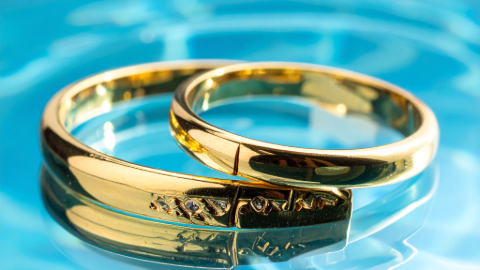
The term "waterproof" suggests you can wear a piece in any water environment without consequences. The reality? Jewellery is never truly waterproof—some pieces are just more water-resistant than others. When brands claim their gold-plated or delicate pieces are waterproof, they're often selling a fantasy that leads to tarnished, damaged jewellery and disappointed customers.
Why Materials Matter: How Different Jewellery Types Handle Water
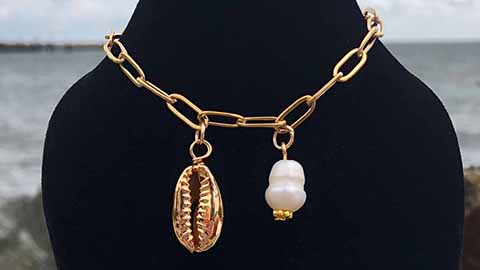
Gold-Plated Jewellery: Beautiful but Fragile
Gold-plated pieces feature a thin layer of gold over a base metal like brass or stainless steel. While initially stunning, that delicate gold layer wears off with repeated water exposure, especially to chlorinated or salt water. The result? Tarnished appearance and potentially exposed base metals that can irritate skin.
Even "Durable" Metals Have Limits
While solid gold, platinum, and surgical stainless steel offer better water resistance, they're not immune to damage, for example:
- Chlorine (in pools) can weaken gold alloys and damage solder points.
- Saltwater is corrosive and can gradually deteriorate even high-quality metals.
- Soap and lotions create buildup that dulls jewellery's shine.
Gemstones and Pearls: Handle With Care
A number of gemstones are particularly vulnerable:
- Porous gems like opals, turquoise, and emeralds can absorb water and temperature changes, leading to cracks or colour changes.
- Pearls are especially sensitive—water can damage their nacre coating and diminish their lustre permanently.
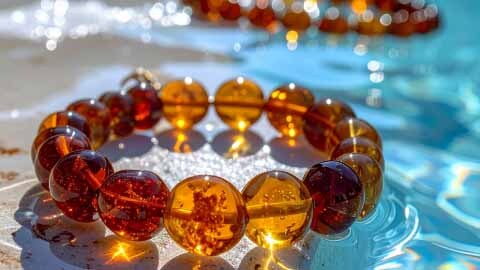
- Amber can darken over time when exposed to chemically treated water, or heat. Its safe (and actually) floats in saltwater.
- Selenite is a form of gypsum and will dissolve in water.
- Certain jewellery settings (e.g. those with prongs or claws or bonded with glue) can loosen with repeated water exposure. This is one reason why your jeweller advises removing your diamond rings before washing your hands or doing the washing up!
Your Practical Guide to Jewellery Care
At Lesca Crystals, we believe honesty builds lasting relationships. Here's our straightforward advice for protecting your jewellery:
Daily Practices for Jewellery Longevity
1. Always remove jewellery before:
- Showering or bathing.
- Swimming in pools and the ocean.
- Exercise as sweat accelerates tarnishing.
- Applying lotions, perfumes, or hair products.
2. Create a regular cleaning routine:
- Use a soft, dry cloth for daily shine maintenance.
- Clean with appropriate solutions for each material type.
- Schedule annual professional cleaning for intricate pieces.
3. Proper storage solutions:
- Store pieces separately in soft pouches, lined boxes or a tarnish-resistant sleeve.
- Keep in a cool, dry place away from sunlight.
- Use anti-tarnish strips for silver jewellery.
Lesca Crystals' Commitment: Quality You Can Trust
Unlike brands that promise unrealistic durability, we're honest about what our jewellery can handle:
- Material transparency: We clearly identify plating, gemstone treatments, and metal composition.
- Realistic expectations: We design for beauty and reasonable durability, not marketing claims.
- Comprehensive care instructions: Each piece comes with specific guidance for maintenance.
- Quality craftsmanship: We focus on secure settings and appropriate materials for each design.
Smart Jewellery Investment: What to Look For
When shopping for jewellery you want to wear regularly:
- Consider your lifestyle - If you're active or frequently in water, choose simpler, solid metal pieces.
- Prioritise quality over claims - "Water-resistant" is more honest than "waterproof".
- Ask specific questions about metal thickness, gemstone porosity, and setting security.
- Read care instructions carefully before purchasing.
Treasure your Jewellery as you would a Cherished Companion
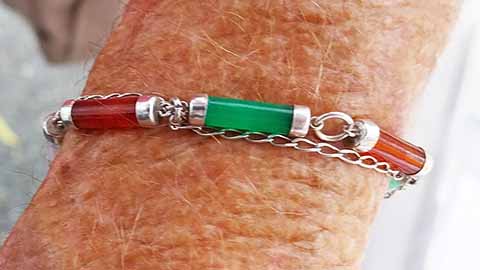
Jewellery connects us to special moments, people, and versions of ourselves. Protecting these treasures requires understanding their needs and limitations. At Lesca Crystals, we create pieces meant to be cherished with proper care—not marketed with unrealistic promises.
The truth is simple: no jewellery is truly waterproof. The best approach is investing in quality pieces, understanding their limits, and giving them the care they deserve. That's how you build a collection that maintains its beauty and meaning for years to come.
Explore Lesca Crystals' collection of thoughtfully crafted jewellery, designed for lasting beauty with honest care requirements. Each piece comes with our commitment to transparency and quality.