

Perfectly safe to handle, but when they meet water...
Posted by Cathryn Blair on 1st Jun 2026
Alchemy: Which Crystals Should Never Get Wet?
Avoiding water: beyond damaging the look of the stone, it may also create unsafe outcomes.
When we talk about water and crystals, the conversation usually turns to cleansing. But as a gemstone expert, I want to start a different conversation about safety.
Most crystals are perfectly safe to handle, but when they meet water, a few can become genuinely hazardous. The risks—dissolving, rusting, or leaching toxic elements—are serious, especially if you're considering making a crystal elixir or leaving a stone in a water bowl for extended periods.
This guide covers the crystals you shouldn't get wet, the health risks involved, and safer ways to work with them.
The "Do Not Get Wet" List
We've broken down the most common water-sensitive crystals into three categories based on what happens when they get wet.
| CATEGORY | MECHANISM | EXAMPLES |
| The Toxic Leachers | Contain elements like copper, lead, or arsenic that can leach into water, creating a potentially toxic solution. | Malachite, Azurite (copper), Pyrite (sulfuric acid), Cinnabar (mercury), Galena (lead), Realgar & Orpiment (arsenic). |
| The Dissolvers | Water-soluble minerals. Submerging them causes dissolution, mush, or loss of polish. | Selenite (reverts to gypsum), Halite (rock salt), Calcite, Fluorite (dissolves or cracks) |
| The Rusters & Structural Hazards | High iron or asbestos content. Water causes rusting, flaking, swelling, or the release of harmful fibres. | Hematite (rusts), Magnetite (oxidises/rusts), Lepidolite (lithium leaches), Tiger's Eye (asbestos risk in raw form), Opal (swells and cracks), Turquoise (colour fading, surface erosion and cracks). |
A helpful pattern: Many toxic and water-soluble crystals end with the suffix "-ite" —selenite, malachite, azurite, lepidolite, halite, and magnetite among them. While this is a useful mnemonic, it's not a hard and fast rule. Always research before submerging any stone.
Why Potentially "Toxic" Matters: The Elixir & Bath Risk
The main health risk comes from ingestion or absorption through the skin.
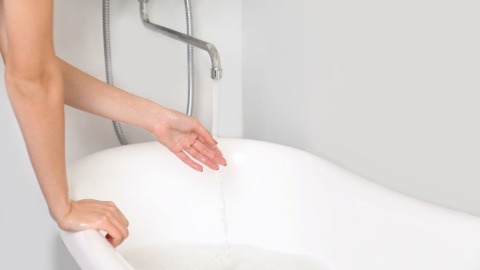
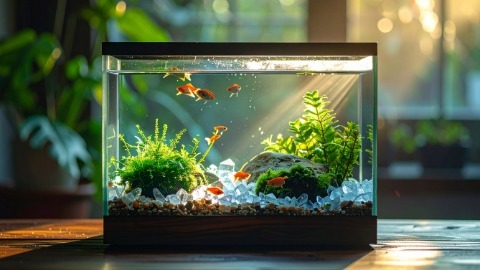
When you make a crystal elixir or soak in a bath with a toxic stone, harmful elements transfer from the crystal into the water—and from there, into you (or that expensive tropical fish). The danger is real: water contacting Pyrite can produce sulfuric acid, while water from Malachite or Amazonite can be contaminated with copper and lead.
Never use water-sensitive or toxic crystals in:
- Drinking water or elixirs
- Bath soaks
- Fish tanks
- Plant Water
- Ultrasonic or steam cleaners (yes, cleaning jewellery can damage your crystals and gemstones too).

So, Which Crystals Are Safe in Water?
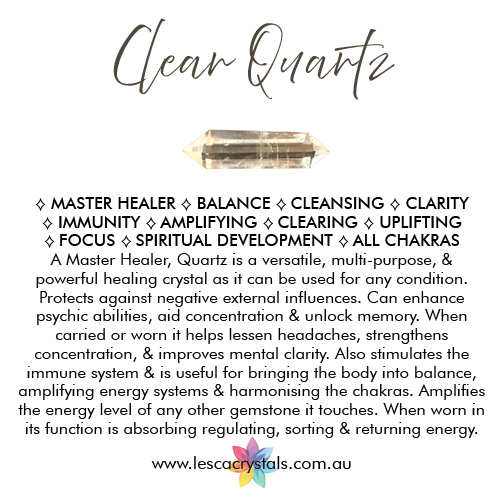
Most stones you probably already have in your collection are water-safe. The quartz family is incredibly stable when it comes to water. Clear Quartz, Amethyst, Rose Quartz, Smoky Quartz, and Citrine are all perfectly fine for a quick rinse or even a long soak.
Fully water-safe crystals:
- Clear Quartz
- Amethyst
- Rose Quartz
- Citrine
- Smoky Quartz
- Carnelian
- Chalcedony
- Agate
- Jasper
- Aventurine
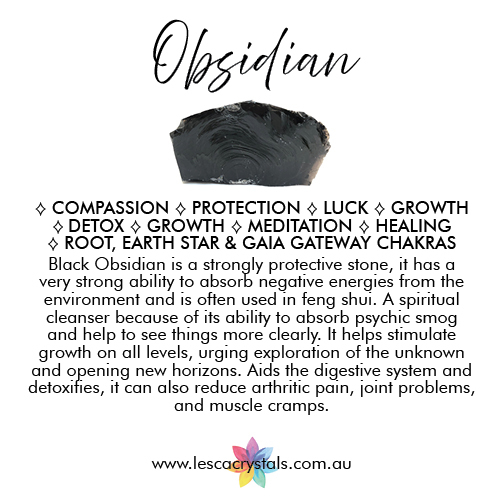
- Black Obsidian
Which Crystals Should Never Get Wet? (The Almost Full List)
Some crystals are highly sensitive to water. They can dissolve, crack, discolour, or even release toxic substances when wet. ALWAYS aim to keep these crystals dry:
- Kyanite – Soft and water-sensitive; can become brittle or crack.
-
Selenite – Dissolves in water (soft gypsum, Mohs 2); even a quick rinse causes permanent damage.
-
Halite – Also known as rock salt; completely water-soluble and will dissolve entirely.
-
Labradorite – Prolonged soaking causes loss of its signature colourful flash and resulting dullness.
-
Hematite – High iron content; rusts when exposed to water.
-
Magnetite – Very high iron content; prolonged moisture leads to oxidation and rusting.
-
Lepidolite – Contains lithium that can leach out, causing colour loss and energetic diminishment.
-
Malachite – Contains copper and water leaching; also soft and reactive making it brittle.
- Amazonite – Avoid prolonged submersion, can leach potassium.
-
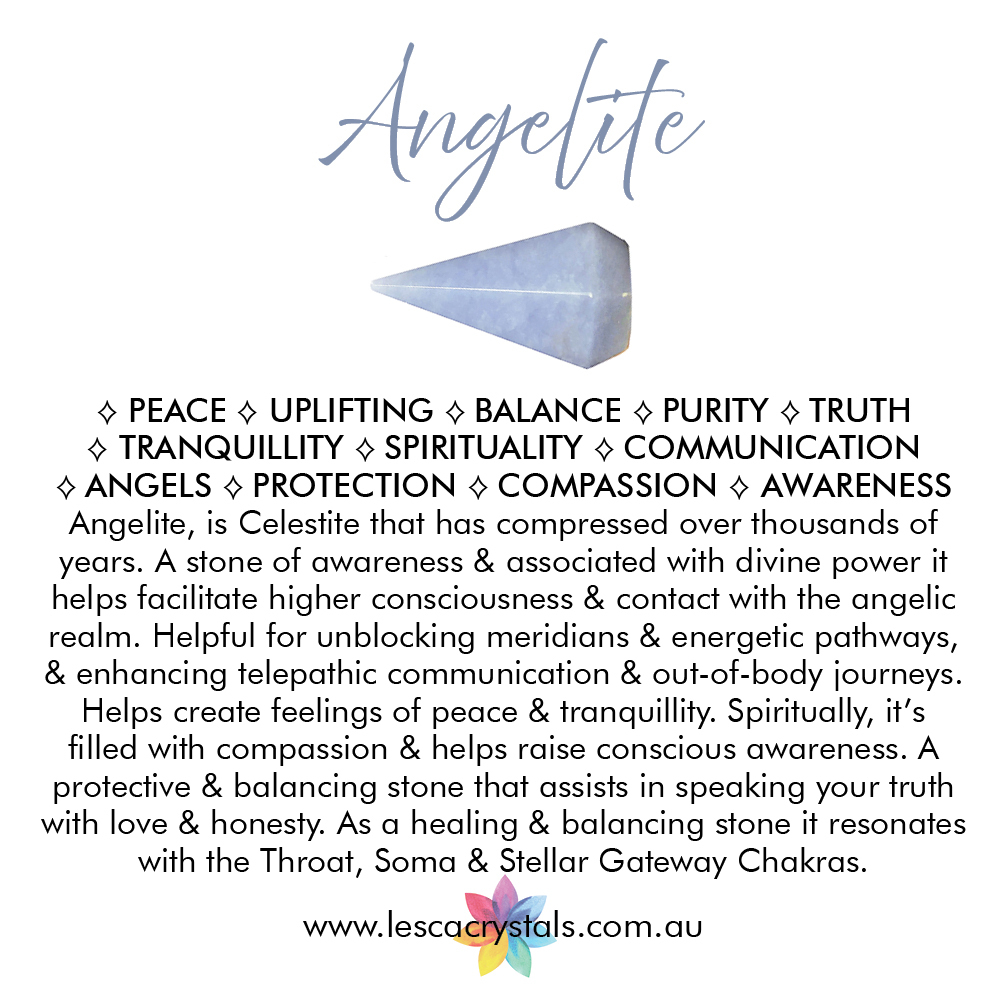
Angelite – Soft and porous; can dissolve or soften when wet.
- Celestite – Brittle and water-sensitive; prolonged soaking causes breakage or dulling.
-
Azurite – Contains copper; leaches toxic copper; also prone to crumbling.
-
Apatite – Soft (Mohs 5) and can crack or lose its polish in water.
-
Fluorite – Soft (Mohs 4) and water can cause cracking, flaking, or dissolution over time.
-
Opal – Contains water naturally; soaking or rinsing can cause swelling and cracking.
-
Lapis Lazuli – Contains pyrite; water can cause discolouration and may leach trace elements.
-
Desert Rose – A form of gypsum (like selenite); water will dissolve its delicate structure.
-
Jet – Fossilised wood; water can cause warping, cracking, or loss of polish.
-
Pyrite – Reacts with water to produce sulfuric acid and can rust or crumble.
-
Satin Spar – A variety of gypsum (similar to selenite); dissolves in water.
-
Tiger's Eye – Raw or untreated material may contain asbestos fibres; water can release them.
- Turquoise - Exposure to humidity can cause cracking and make the stone brittle.
-
Ulexite – Also known as "TV stone"; water-soluble and will dissolve.
- Vanadinite, Wulfenite & Crocoite.
Safe Ways to Cleanse Water-Sensitive Crystals
Don't worry—you're not stuck with grimy crystals if they can't take a bath. Wipe them with a damp cloth to clean, and dry thoroughly. These dry-cleansing methods also work beautifully for every kind of stone:
- Sunlight or Moonlight – Place your crystal on a windowsill for a few hours (moonlight is universally safe; sunlight can fade some stones, so check first).
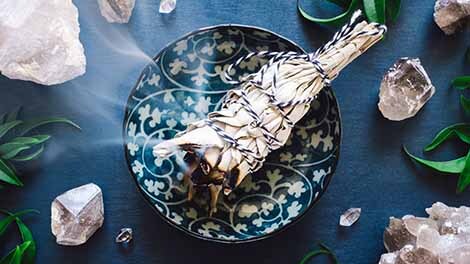
- Smudging or Incense – Pass your crystal through the smoke of sage, palo santo, or any incense. Fire and sacred scent clear unwanted energy.
- Sound Cleansing – Use a singing bowl, chime, bell, or even your own voice. Sound waves are gentle but extremely effective.
- Dry Salt Bed – Place the crystal in a bowl of dry sea salt or Himalayan salt for a few hours. (Never wet the salt.)
- Dry Brown Rice – Bury your crystal in dry, uncooked brown rice for at least 4 hours (preferably overnight). The rice absorbs negative energy.
- Reiki or Visualisation – If you're trained in Reiki, cleanse your crystal that way. Or simply hold it and visualise bright white light washing away any negativity.
How to Know If Your Stone Is Safe
Whenever we get a new stone that we're unfamiliar with, here's our process:
- Cross-reference a professional database – The International Gem Society (IGS) and Mindat.org provide chemical composition and safety data on just about every mineral.
- Follow the general rules of thumb – If you don't have time to research, avoid submerging any stone ending in "-ite" or with a metallic lustre (like Pyrite, Hematite, or Magnetite). When in doubt, leave it out.
- Admire from a distance – Some of the most exquisite crystals—like Vanadinite, Wulfenite, and Crocoite—are highly toxic and should never meet water. Their beauty is meant to be seen, not soaked. If handling then use we recommend adding some distance by handling them with tools or putting on some gloves - if handling raw stons then consider adding a mask too.
Be Careful, Stay Informed
Knowledge transforms you from a casual collector into a true champion of these incredible gifts from the Earth. All it takes is that one extra minute to check, and you turn a potentially risky habit into a completely safe, deeply rewarding practice.
Do you have a specific "mystery crystal" you've been wondering about? Tell us what it looks like, and we'll help you figure out if it's safe for water.
~ The Lesca Crystals Team ~