

Ruby in Fuchsite vs. Ruby in Zoisite: How to Tell the Difference
Posted by Cathryn Blair on 2nd Sep 2026
Confidently id Ruby in Fuchsite or Zoisite
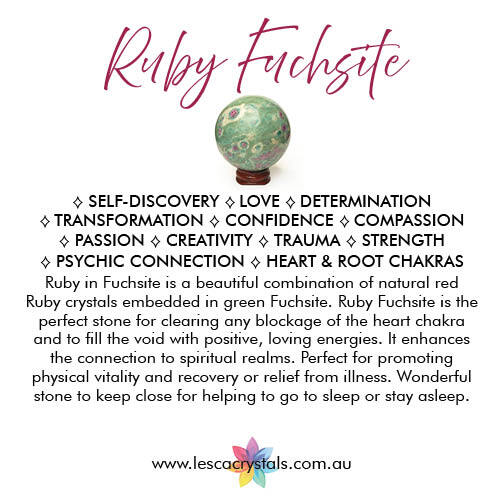
If you've ever browsed our collection of combination stones, you may have noticed two beautiful green-and-red crystals that look remarkably similar at first glance: Ruby in Fuchsite and Ruby in Zoisite. Both feature striking red ruby crystals embedded in a vibrant green matrix, and both are treasured for their powerful heart-centred energies.
But here's the thing—they are commonly misidentified with even experienced collectors known to confuse these two.
Identification Confidence
There's a special satisfaction in being able to confidently identify your crystals—and helping others do the same!
Once you know what to look for, telling them apart becomes surprisingly simple. In this guide, we'll walk you through the key differences—from hardness and mineral composition to unique visual markers like alteration rims and tschermakite inclusions. So, let's dive in.
What Is Ruby in Fuchsite?
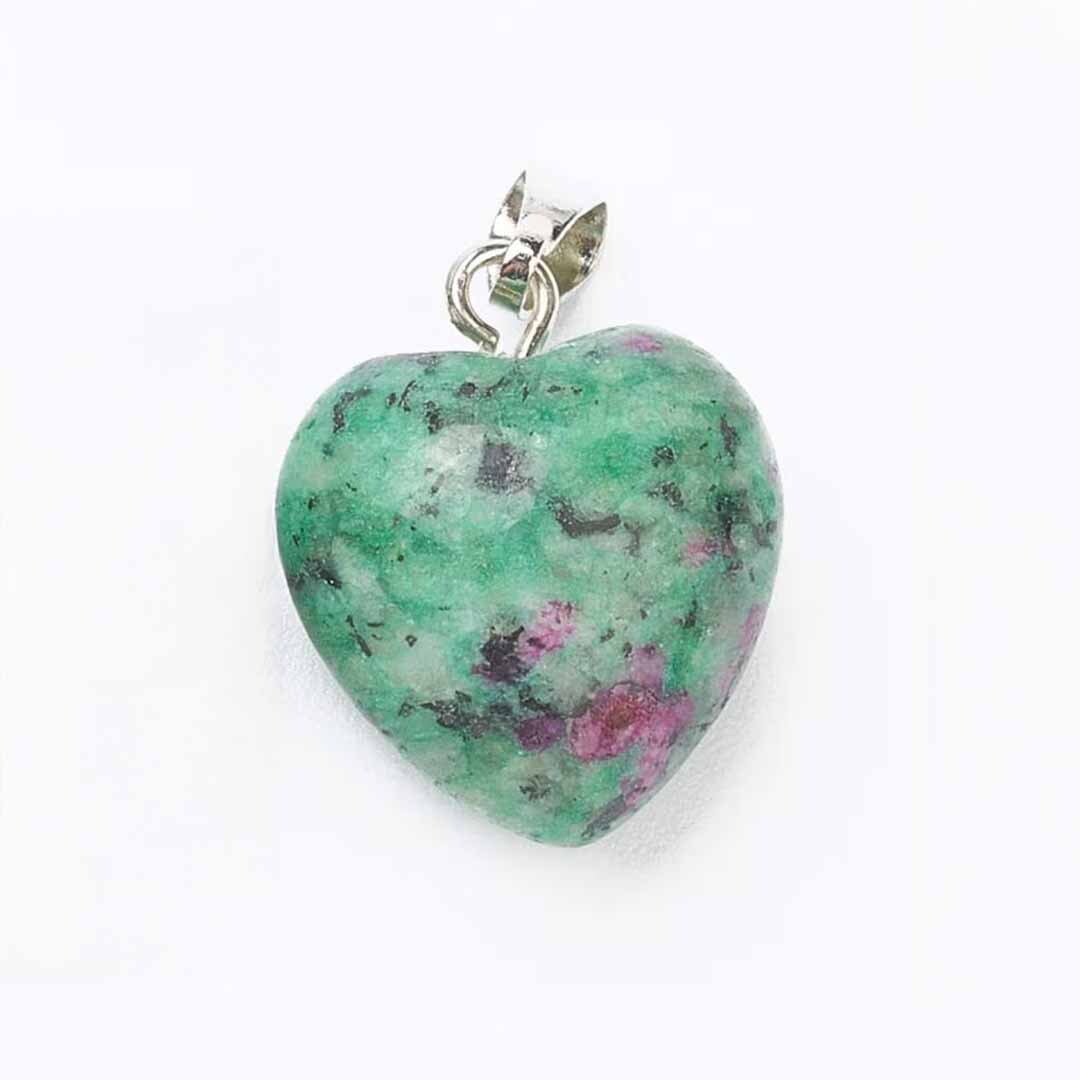
Ruby in Fuchsite is a combination stone where natural red ruby crystals are embedded within a matrix of green fuchsite. Fuchsite is a chromium-rich variety of muscovite mica, which gives it that beautiful green colour and a distinctive soft, slightly sparkly appearance.
Key Characteristics:
- Softness: Because fuchsite is a mica mineral, it has a hardness of only 2 to 3 on the Mohs scale. This means the stone feels soft to the touch and can be scratched relatively easily.
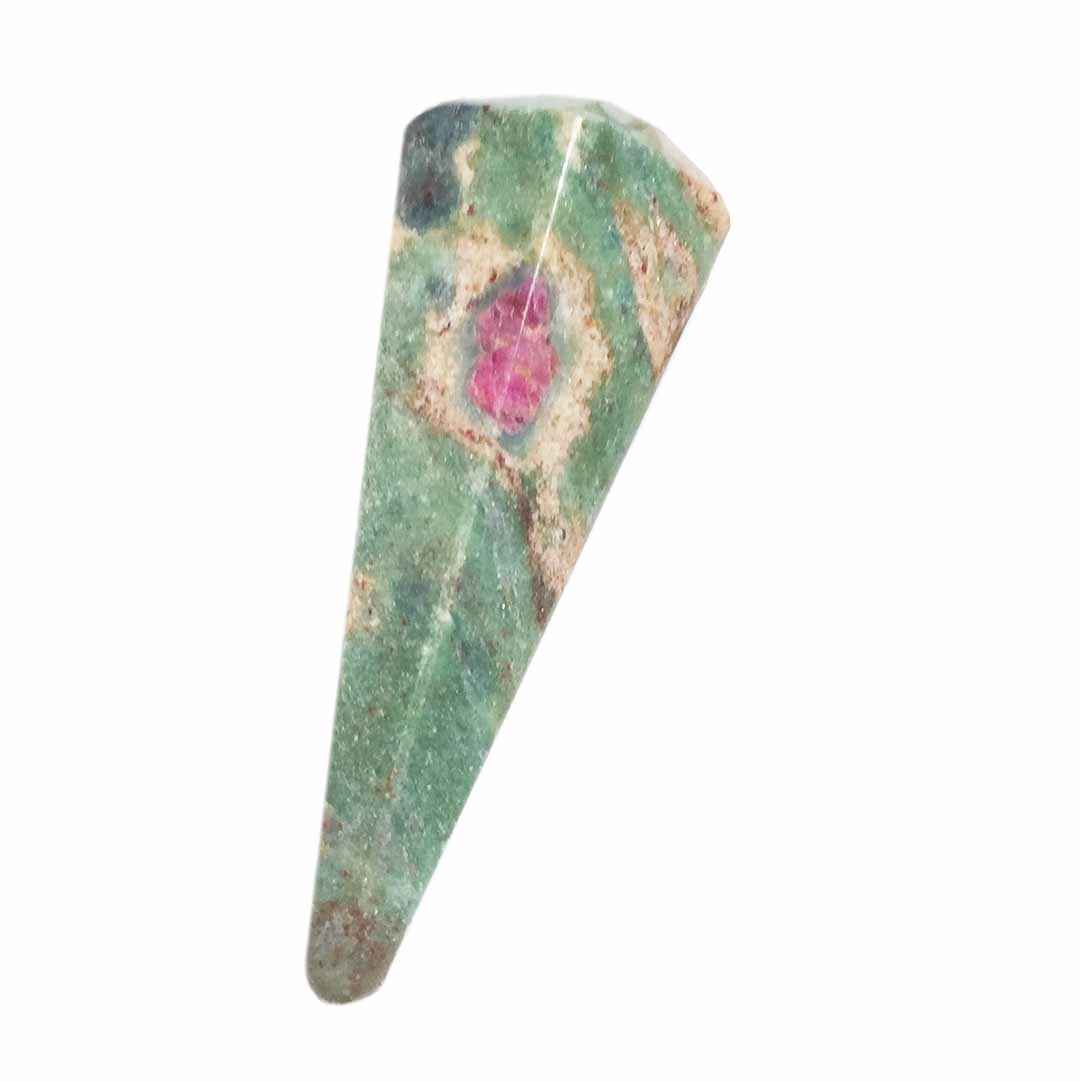
- Alteration Rims: One of the most telling features of Ruby in Fuchsite is the presence of blue kyanite alteration rims around the ruby crystals. These bluish rings form during the geological process that creates the stone and are a reliable identifier.
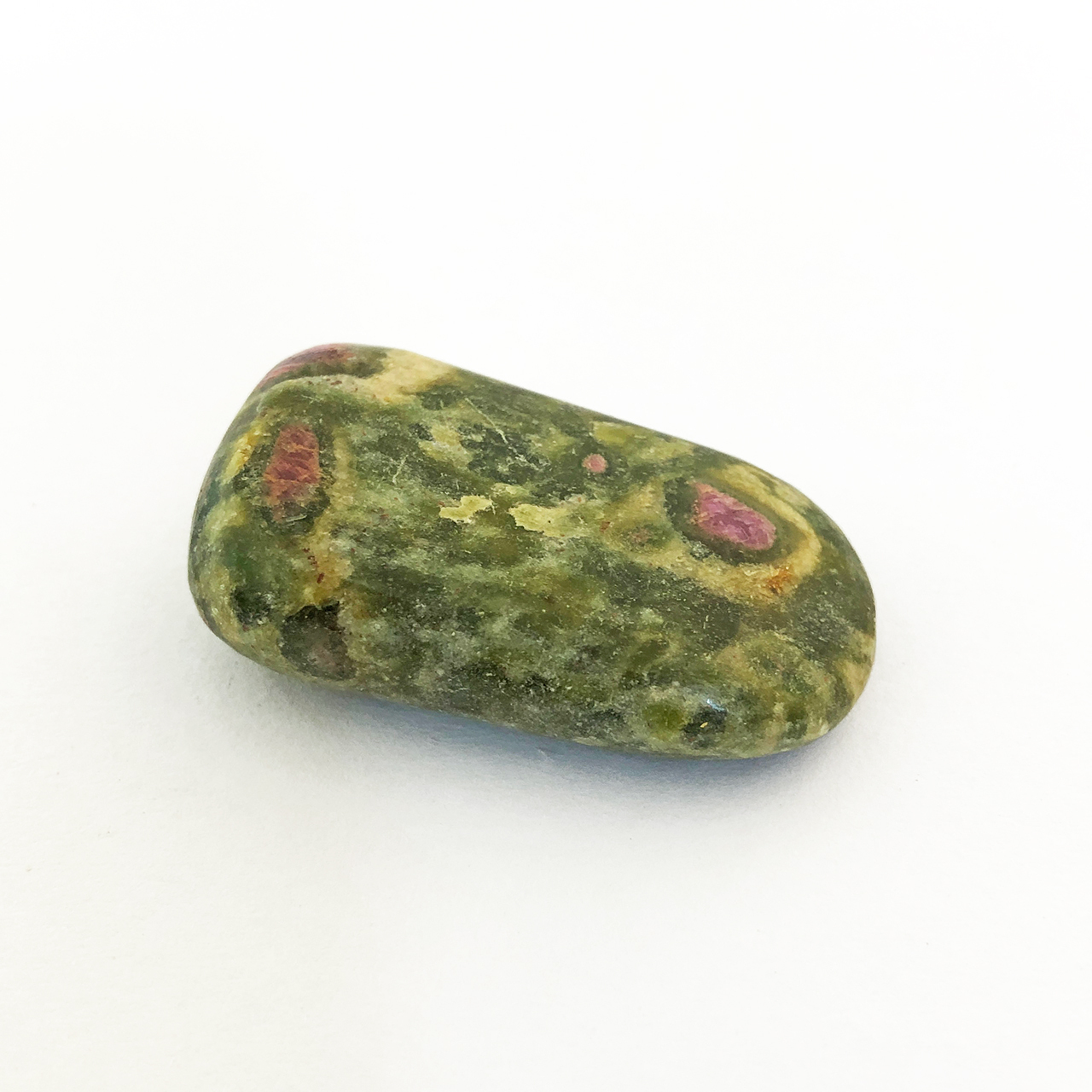
- Texture: The stone often has a slightly waxy or even flaky texture due to the mica content. You may even notice a subtle silvery shimmer when light hits the fuchsite matrix.
- Energy: Ruby in Fuchsite carries a gentle, nurturing heart energy. The ruby provides warmth and gentle activation, while the fuchsite soothes and supports emotional healing.
What Is Ruby in Zoisite?
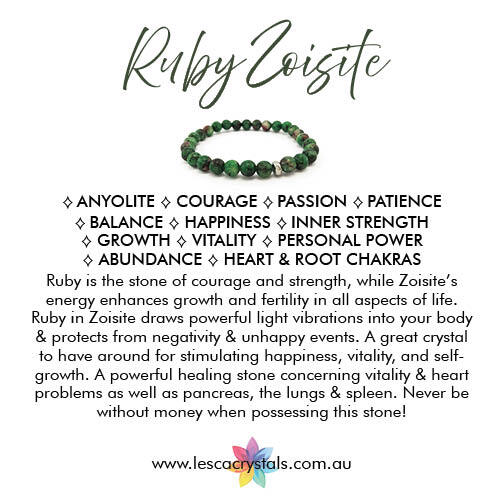
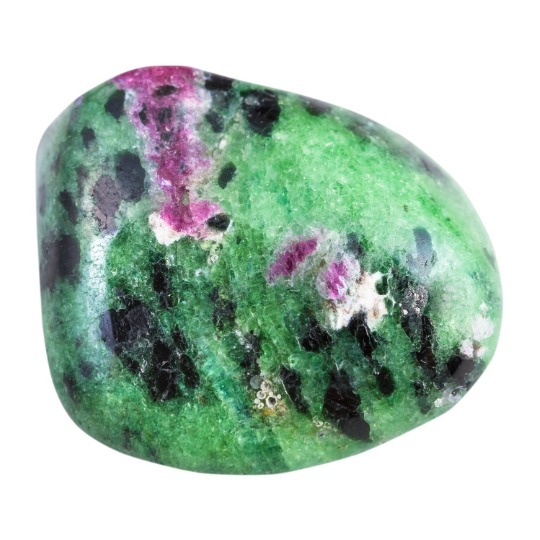
Ruby in Zoisite, also known as Anyolite, is a combination stone where ruby crystals are embedded within a matrix of green zoisite. It was first discovered in Tanzania and remains one of the most popular combination stones for collectors and healers alike.
Shop Now → Ruby Fuchsite Specimens
Key Characteristics:
- Hardness: Zoisite is significantly harder than fuchsite, rating 6 to 7 on the Mohs scale. This makes Ruby in Zoisite much more durable and suitable for jewelry with proper settings.
- No Alteration Rims: Unlike Ruby in Fuchsite, the ruby crystals in zoisite are clear and distinct, with no blue alteration rims around them.
- Tschermakite Inclusions: Ruby in Zoisite is almost always marked with a scattering of black tschermakite inclusions or patches. Tschermakite is a type of hornblende (a complex amphibole mineral) that appears as dark, often needle-like or patchy formations within the stone.
- Texture: The stone feels hard, smooth, and dense. Its a stone that takes a beautiful polish and is often used for carvings, spheres, and high-quality cabochons.
- Energy: Ruby in Zoisite carries a more activating, integrated energy. It combines ruby's passionate life force with zoisite's grounding structure, making it ideal for manifestation and purposeful action.
The Key Differences: A Closer Look
1. Hardness Test (The Most Reliable Differentiator)
If you have access to both stones, the hardness difference is immediately noticeable:
- Ruby in Fuchsite is soft. A steel knife or even a coin can scratch the fuchsite matrix. The stone feels almost waxy or slightly crumbly if you run your fingernail across it.
- Ruby in Zoisite is hard. It will resist scratching from a knife blade and feels solid and dense in the hand.
Important: We don't recommend scratching your crystals to test them! But simply feeling the difference in weight and density—combined with visual cues—is usually good enough to tell the difference.
2. Look for Blue Alteration Rims
This is your easiest visual cue:
- Ruby in Fuchsite: Examine the ruby crystals closely. Do you see a faint bluish ring around the edges where the ruby meets the green matrix? That's kyanite alteration, and it's a dead giveaway that you're holding Ruby in Fuchsite.
- Ruby in Zoisite: The ruby crystals transition directly into the green zoisite with no blue rims. The boundary between red and green is clean.
3. Check for Black Inclusions
Now look at the green matrix itself:
- Ruby in Zoisite: Almost always contains black tschermakite inclusions. These can appear as small black specks, patches, or even needle-like formations scattered throughout the stone. They're a natural part of the stone's formation.
- Ruby in Fuchsite: Typically has few to no black inclusions. The fuchsite matrix is usually a clean green, sometimes with a silvery shimmer, but without the prominent black patches characteristic of zoisite.
4. Observe the Lustre and Texture
- Ruby in Fuchsite: Because it's a mica mineral, fuchsite often has a subtle silvery shimmer or sparkle when turned in the light. The surface may feel slightly softer or even a little flaky along cleavage planes.
- Ruby in Zoisite: Has a more standard vitreous to pearly lustre. It feels smooth, hard, and polished without the mica sparkle.
Shop Now → Ruby Fuchsite Specimens
Shop Now → Ruby Zoisite Specimens
Why Does It Matter?
You might be wondering—if both stones are beautiful and both combine ruby with a green matrix, does the distinction really matter?
For collectors and crystal enthusiasts, yes! Here's why:
- Durability: Ruby in Zoisite is much harder and more suitable for everyday jewellery. Ruby in Fuchsite requires more care and protective settings - e.g. cabochon in silver in a ring or pendant.
- Energy Work: While both stones work with the heart, their energies are distinctly different. Ruby in Fuchsite is gentler, more nurturing, and ideal for emotional healing and self-love. Ruby in Zoisite is more activating, supporting manifestation, purpose, and the integration of spiritual insights into daily life.
- Value and Rarity: Both stones have their place, but knowing which one you're purchasing ensures you're getting the stone you truly want.
Which One Is Right for You?
Both Ruby in Fuchsite and Ruby in Zoisite are magnificent stones with much to offer. Your choice may come down to your personal needs and preferences:
Choose Ruby in Fuchsite if:
- You're seeking gentle emotional healing and self-love support.
- You prefer softer, more nurturing crystal energies.
- You're drawn to the subtle sparkle of mica minerals.
- You plan to use the stone for meditation, altar work, or gentle wear.
Choose Ruby in Zoisite if:
- You want a durable stone for everyday jewellery
- You're working on manifestation, purpose, or life activation
- You appreciate the grounding influence of tschermakite inclusions
- You're drawn to the integrated energy of ruby + zoisite for somatic healing.
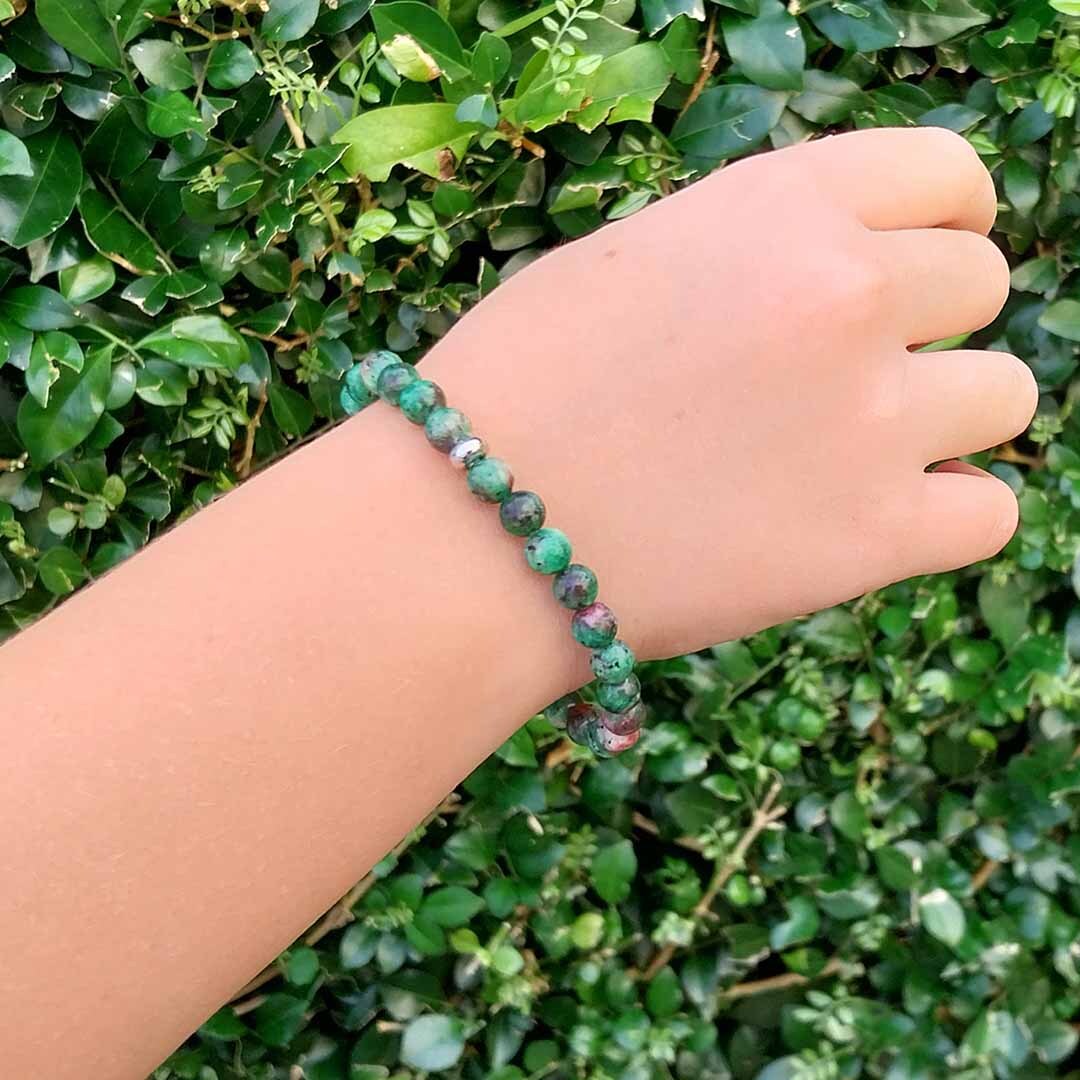
Shop Now → Ruby Zoisite Bracelets
At a Glance: Quick Comparison
Use this simple checklist when examining any unknown red-and-green stone:
| FEATURE | RUBY IN FUCHSITE | RUBY IN ZOISITE |
| Matrix Hardness | Soft (Mohs 2–3) | Much harder (Mohs 6–7) |
| Matrix Mineral | Fuchsite (chromium muscovite mica) | Zoisite (calcium aluminum silicate) |
| Ruby Appearance | Often has blue kyanite alteration rims around the rubies | No alteration rims; ruby crystals are clear and distinct |
| Dark Inclusions | Rare; occasional black spots | Often marked with black tschermakite inclusions or patches |
| Feel | Waxy, slightly flaky or soft texture | Hard, smooth, dense texture |
| Lustre | Silvery-green shimmer due to mica content | Vitreous to pearly lustre |
| Common Origins | Brazil, India, Madagascar | Tanzania, Kenya |
Our Thoughts
We love how nature has a wonderful way of creating similar-looking stones with entirely different compositions and energies. Ruby in Fuchsite and Ruby in Zoisite are perfect examples of this beautiful diversity.
Next time you're admiring a red-and-green combination stone, you'll know exactly what to look for. Check for blue alteration rims, scan for black tschermakite patches, and feel the difference in weight and texture. With these tools in your crystal identification kit, you'll never confuse these two gorgeous stones again.
Do you have both Ruby in Fuchsite and Ruby in Zoisite in your collection? We'd love to hear about your experiences with their energies! Drop us a comment or tag us in your photos.
Explore our collection of Ruby in Fuchsite and Ruby in Zoisite to experience these beautiful combination stones for yourself.
x~ Cathryn (and Lesley) ~x
Disclaimer: The metaphysical properties mentioned in this article are based on traditional crystal healing beliefs and should not replace professional medical advice.